Summary
Why can love feel both deeply secure and surprisingly uncertain? Writer Natasha Lunn explores the inner conflicts woven into love: the tension between loving someone and finding daily life together difficult, between staying in a relationship and wondering whether to leave. Drawing on her own experience and on hundreds of interviews carried out for her best-selling book Conversations on Love, Natasha reflects on balancing partnership, parenthood and creative ambition, and on accepting the losses that accompany the relationships we build. She considers why uncertainty need not mean something is wrong – but conversely and perhaps controversially, she suggests that deeply torn feelings may indicate that relationships are not the right ones for us. Rather than rushing to fix inner conflict, however, she encourages curiosity, honest conversation and gratitude for the relationships we have.
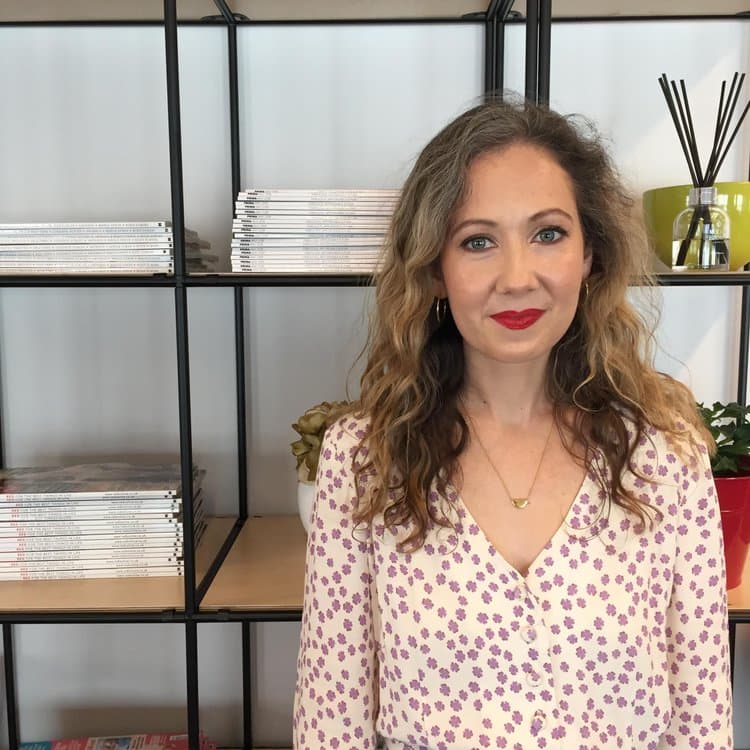
Natasha Lunn
Questions
Once you’ve listened to the podcast, you may want to think about these questions.
- When you experience doubts about a relationship, what helps you distinguish between the normal friction of two people building a life together and a deeper inner conflict that may be telling you something important?
- Where in your life are you balancing two things you deeply value, such as love, family, work or creativity? How do you feel about what you may have to give up, even when you are happy with the life you have built?
- When someone you care about is struggling with relationship uncertainty, what do you offer them which helps? How might you handle giving help if you yourself feel that the relationship they are torn about is wrong for them?
Resources & recommendations
- To follow Natasha’s journey in exploring the mystery of love, subscribe to her Substack Conversations on Love.
- Read Susan and Natasha’s conversation on how to sustain love within a long-term relationship in the book Conversations on Love.
- Read Natasha’s thoughts on resolving the pull-push between parenting and partnership.
- For thoughts from relationship researcher Amy Muise on how to fuel desire in a long-term relationship.
- From The Torn Podcast Season 1: Should I leave my marriage? explores how Paul needed to fully understand the past before he could resolve the present.
- From our website: No help for my breakup pain is the story of how Alisdair found relationship fulfilment when support from friends and family wasn’t helping him.
Transcript
Susan (0:00): Have you ever felt torn? Experienced that inner struggle of clashing needs, yearnings, and beliefs-not a fight with others, a fight within yourself. It's confusing. It's painful. It's inner conflict. Welcome to the Torn Podcast, where we share stories, resources, and hope around all things inner conflict. In this first episode of season two of the Torn Podcast, I'm delighted to be talking to Natasha Lunn. She'll be offering lessons from her global best-selling book, Conversations on Love, as well as sharing her own relationship experiences and the ways she's found to face and resolve her own inner conflicts. It's so lovely to see you, Natasha. Tell us a bit about yourself.
Natasha (1:10): So lovely to see you too, Susan. So where where do I start? So I am a writer, author, and now wedding celebrant in training, and yeah, I think our paths cross because we've always been fascinated by relationships, and I, you know, was drawn to the topic because I had many failings in love. I think in my earlier life, and I was just trying to understand why this thing that I loved and also seemed to be really easy for a lot of other people I found so difficult, and so much of my work as a journalist and really just in everything I've done has been trying to understand love and I guess to even not even always to understand it, but to record it and to try and show people what it feels like, what the truth of it is, rather than maybe like the expectation I had of it. So yeah, that's a long-winded way of saying I write a lot about love and relationships, and I'm training to be a wedding celebrant, which is really exciting. And yet I keep interviewing people like you in my Substack conversations on love, where I'm trying to explore not just romantic love, but all the different shapes that love takes in a life from friendships, even strangers, communities. Yeah, so that's that's me.
Susan (2:40): You, the wonderful thing, or one of the many wonderful things about you, Natasha, is that you know so much about love, but you never pretend to know everything, and you're so humble about it. You're so realistic and grounded, and you're such a role model.
Natasha (2:57): And I guess what I try and do in my work is to, yeah, show mistakes, but also you know accept my lack of knowledge and and and also like recognise how that's what makes love interesting. But I also love learning from people like you who have a wealth of experience and have seen yeah so many different couples in different situations.
Susan (3:21): So inner conflict, you were talking a moment ago about how difficult love is, and what we're finding in the Torn Project is that you know love is idealised often, and you know it's easy. It's it's if it's love and it's hard, then that's not, you know, that's not really love. But I know we agree that inner conflict is central to love. Tell me a bit more about what you found out on that.
Natasha (3:55): Well, I think first of all, the the differentiation is I think loving someone is easy and and should be easy. It's maybe like that feeling of I love you is actually very easy. What's trickier is the daily sort of maintenance and not neglecting someone and paying attention. I think in in times in my life where the love has felt hard, it was because it wasn't a good relationship, and you know things weren't working together. So I feel like loving my husband is actually very easy. Making sure I pay attention and and am grateful and express love and do kind things. All of those things is, I guess, the more tricky bit. But when it comes to like how we see love, I think yeah, like even every time I write about something being a bit more difficult in my relationship, it feels uneasy. I think because we don't often talk in in long term relationships anyway about things ebbing and flowing. And how actually a kind of good happy relationship is still going to have its conflicts and its you know you're two humans trying to come together and you've got very different histories and quirks and ways of doing things. Like of course if you're trying to build a life with someone, there's going to be some sort of negotiation, and I think if you don't have any of that, then maybe there's a good chance you're not being honest. And so I feel like sometimes if if we're talking through some sort of difference or like yeah balancing out a choice, it's I feel like oh I wouldn't have been doing that in my early relationships because I probably would have been keeping those things to myself, so yeah, I think it's that's part of knowing someone is expressing those moments when you're uncertain and you don't feel you know what to do. Like, how could you be close to someone if you weren't having those moments?
Susan (5:58): I think there's such an expectation in love that we feel good about the other person the whole time, and that sort of links back with what we've found in our research, which is we think we're invalid if we don't feel certain about everything the whole time. If we feel conflicted, so you know, love is seen as the the ultimate expression of wonderfulness, and then we have doubts, and and then we have, well, I love you very much, but oh, I don't like you at the moment. So I I think it's a really important point. I'm fascinated that you seem to see this as a thread through the interviews you've done as well, because I mean, how many interviews have you done now?
Natasha (6:44): I think it's definitely over the 200 mark. So I can say hundreds, but I need to I need to sit down and count it up. But yeah, it's funny as you were saying that I was thinking I just at the school drop off was talking to some other other parents and like, oh god, my kid is annoying. She's driving me crazy. She's, you know, just kind of openly talking about how irritating they are. But I don't think that you would feel as comfortable maybe saying that about a partner. But of course, it's the same thing. I mean, hopefully your partner's not having toddler tantrums. But I think you know in the same way with a sibling, in the same way as a parent, people are annoying and we annoy each other, and that's okay. I think when we were talking about inner conflict before, is like it's different at the beginning of a relationship to later down the line, and I think what we're talking about there can be really difficult in the beginning because, and I think you maybe have spoken to me about this before, so you you can maybe share from your experience. But before you really know somebody, one small annoying thing they can do can feel quite threatening because you might think, okay, say they forgot a plan, you know, not really a big deal. But you might then think, "Oh, are they going to be someone who's going to be taking me for granted? Are they just someone who doesn't really care about me? Are they someone who, if we shared a life, would forget other things? And you can kind of feel conflicted about that because you don't really have the full picture, whereas 10 years in, and someone showed up for you again and again, and you trust them and you respect them, they forget something. It's not so much of a a big deal. So I think in the beginning that conflict can feel quite heavy because you just don't have any sense of certainty in in who they are, and so small things can be more threatening. Is that? Do you think that's true?
Susan (8:42): I think all of that is true, and I think that the wonder of love initially is that everything seems perfect. You know, I finally found the one who is going to be perfect for me all the time and forever, and and this this foreverness that you can rely on, and then suddenly you can't rely on it. But the idea that 10 years down the line you are back to being able to accept the uncertainty, you're able to accept the inner conflict almost as a as a central part of love that you move in out of certainty, but you know you've got the love to come back to. I think that's really, really interesting. I think
Natasha (9:30): also when you, for instance, I think I respect my partner Dan. So if he does something one time that might not be great. I know he's a good dad. I know he's a kind person. So that one thing he does is not going to be triggering a whole sense of conflict. Whereas maybe if I was in an unhappy relationship and and he wasn't respectful, then. One negative thing is just another sign of that. Interestingly, I was I was looking through all my past interviews before this, trying to think, okay, what are the things that come up most with inner conflict, and I think that the most common thing I certainly get emails about is this: should I stay in my relationship or should I leave it? And I guess which is the bigger question of what's the difference between, as we were saying, some relationships ebb and flow, and you got tough patches. What's the difference between like a tough patch that actually you need to work through, and this is a relationship that's not making you happy? And I really want to get your take on this because my answer as an individual is that whenever I've had that kind of inner conflict in earlier relationships, it's been because I already know the relationship's not working, but I just haven't yet found the courage to leave, and that is that feeling of should I stay, should I go is really because I already know it's not right, but I'm trying to like listen to that inner voice, and it's taking me some time to actually follow through on it. Whereas in my marriage now, I would say, you know, beginning stuff that we talked about, kind of trying to figure out who they are aside. I've never, for even a second, thought, "Is this right? Should I go? When things are tough, you go to, "Okay, how are we going to get through this? How are we going to make it better? And so my sort of, and I don't know if this is the right answer, but my answer as an individual is, if you're kind of thinking, should I stay or should I go, it's maybe already over. Whereas in a happy, good relationship, you don't have those doubts. But I'm aware that we've both had relatively happy childhoods. We've got both parents alive. We've got loving relationships with them, so that's like a privileged position. And maybe if I had a really traumatic childhood, it might be more difficult. I don't know. What do you think?
Susan (12:14): There's two really interesting questions there. The the first one is, if you have doubts at all, is that a sign that you've been struggling with those doubts for so long that going is probably the best option? I'm not sure that's always true. I think that the idealism in love that we've been talking about makes it quite vulnerable to doubts. You know, you have a doubt, you think, oh, it's all over. You know, I need to go. So, on that one, I would, I would say, look for more information. We we have through our research, we've developed what we're calling the torn journey, and the crucial bit, or one of the crucial bits is when you start to be doubtful, to look and think and gain information in a broader sense. So maybe not. I think the deeper doubts, you know, that sinking feeling in your stomach that goes, oh maybe I should stay. I think that is definitely a sign that you need to think very carefully about staying.
Natasha (13:30): I have never had that doubt in my long term relationship. Yes, and like of course you have, you know I'm not trying to idealise up. Of course we annoy each other and all these other things, but I think the difference in this relationship to previous ones is when things are difficult or we're annoying each other. It's never is this relationship right? Should I stay? It's okay. How are we going to fix this? What can we do to make this better? What should we try and figure out why? What's really going on here? So it's almost like that doubts just not on the table. But I say that because when I've interviewed a few people, they have said the same thing. They have said, in in a in a in a really happy, good relationship, it's like you can sit with doubts and you can think about why things go wrong, but it's not that same escape hatch. Should I leave?
Susan (14:25): That's a wonderful phrase, wonderful concept, and an escape hatch. I I think there is the the sub problem there that some people's default because of their past experiences is to go for the. inner conflict often comes back to this is a problem. Should I be going? And I don't think this is. I'm not saying people who think like that have a deep problem, but some of us are more likely to say no. I I need to. Move on. I need to find something else, and society does encourage us to do that. It also encourages us to stay in situations which are really toxic and really bad for us. So I think, particularly at this stage, when leaving is possible, you know, 100 years ago, we would not have that option. Well, I mean, we wouldn't form relationships before marriage, and once we were married, that was it for life. But I think one of the inner conflict causes at the moment, and and it's wonderful because it gives us freedom, one of the causes of inner conflict at the moment is that we have the freedom to choose whether to stay or go. In other words, we have the freedom to choose whether to love or like or not. So I think of all the times in history, possibly there's more opportunity for inner conflict through across the board, but particularly in love relationships. But I agree with you that stay or go is absolutely core, and it's when things start to bite, things get really, really painful in conflict.
Natasha (16:17): I think, and it's interesting you said freedom there because when I was trying to think about where my biggest internal conflicts are, I think the two big ones are sort of, you know, I'm feel the balance of my romantic relationship and my kids' relationship with my kids, and kind of being okay with having to like lose some things from my romantic relationship, but also not letting us lose so much that there's no connection there. And also the other one then feeling a kind of desire to pursue my creative writing life, and then that not really being possible in the same way with having a family. But I think where I've got to with those things is when you set them is really just because I'm lucky enough to get to choose and have many things, and so the way I I think I don't know conflict is just quite a scary word, but I now think whenever I feel that sort of being torn or trying to balance up to longings, really, I kind of just try and set it in the context of the choices that I've made, and I don't know maybe it's age or maybe it's having been through more painful things, but now I kind of am more comfortable with the things that I will lose from every choice. And for example, knowing now that there's maybe another life where I was unable to have children, or I didn't have the romantic partnership, or and I prioritised my career and probably leaned into that much more and was more prolific and and productive. And sometimes I have to turn down opportunities. And you know, I was asked to interview someone I absolutely love. It's the same date as my daughter's surgery. I think there would have been a time when I was younger. I feel like, oh, you know, I'm I'm losing something. I think now I just see, well, of course, you know that that conflict comes because you're lucky enough to have choices, and I think I've got better at just nodding at the things that I lose in context and just sort of accepting that because I would rather, you know, I'm happy with the choices I've made, but and and I understand they come with a loss essentially.
Susan (18:49): That's such an important point. I mean, I I try to avoid the words choice and decision because it sounds so final, and they sound so dramatic, and they sort of suggest that there's always going to be a major loss. I, I think it's more complicated than that. I think that in any, let's use the word direction. In any direction you take, there's going to be some upsides and some downsides and some losses and some gains,
Natasha (19:25): but for something like the sort of wrestling between pursuit of creative life and family, which it really is kind of pursuit of a relationship with yourself. That's that's a conflict that I'll have for life now, probably judging how involved my parents still have to be in in my life, but I guess what I'm trying to say is I'm okay with that, and that sort of I think we have a kind of desire to just like iron out the creases of a life and. Something like this is something to be avoided, and I I don't think it is that. I think you know, I'm I just have accepted that I'm always going to have those sort of like niggling moments in in any year, and you know it's just it's uncertainty and it's not knowing, and it's you know I think getting comfortable with that is part of like what it means to try and live a life. I think that that's I've yet to meet a person who doesn't have those feelings. So yeah, I think it's just when it comes up, not feeling like you have to erase that feeling, and like for me, it doesn't mean like I made the wrong choice. It just means like, yeah, of course you're gonna have have some sense of that, whatever you've chosen or however your life is working out, and maybe that is leads to some kind of like as you say, said information. For me, it's like okay, that feeling. If I can't, even if I can't pursue it all now, it's something to just keep alive somehow because it's obviously important to me if it's showing up in there. So, yeah, just paying attention
Susan (21:13): to it. We we talked before this interview as we were preparing this interview. We talked a lot about the different sorts of conflict. I want to introduce one we didn't talk about, but which I think is starting to run underneath this interview, which is the inner conflict between self and other. You know, do I choose what I want? Do I choose what the other person wants? And I think that runs through all sorts of love relationships, although we're concentrating on intimate partnerships. But I think in a world where we're being an individual and you know fulfilling our own dream for oneself, I think the love in a conflict
Natasha (22:00): is particularly challenging because society is telling you that you know you want to fulfil your dream, and if fulfilling your dream means compromising, then in some ways you know you're not being true to yourself. So, does that come up in your work? People saying, "Well, I chose me, or "I decided to do something that was right for me, but that meant I compromised my love. How do people cope with that? I think probably more of the pattern I see is that is people kind of growing up with that sort of view, and often finding that happiness has really been thinking more about what they can give in love rather than just sort of pursuing what they want. That's not to say. I mean, I always find this a incredibly difficult topic to talk about because, of course, you need to retain a sense of self and pursuing. You know more than ever now. I found like pursuing your own passions, weird, silly hobbies, being silly-that is essential for kind of having any relationship with anybody,
Susan (23:10): yes,
Natasha (23:11): friend, sibling. But I think the thinking equally, at least, about how you can kind of do loving things or give things to others rather than thinking, what can I, how what what's going to make me feel good? That sort of makes you feel good too. And I think a lot of this we can think, I want to, you know, it's funny because I was, you know, when my kids were younger, I was like, I just want to to do things on my own, I just want to go to the cinema on my own and have a life, and then now Dan's like, go, go, course, go. And then I sat there in the cinema and I thought, oh, I kind of wish he was here to talk to at the end of the film. And sometimes that, you know, I certainly I want those things when I don't have them. But then when I am on my own, I think, oh, I really. This is nice for a brief period, but actually, I'm very lucky to have people who I can kind of leave and come back to. But I think, yeah, it's funny because I was just trying to teach my daughter about this the other day of saying like she wants to play this game and and the friend wants to play this game, and I said, well, part of being a person is thinking. Actually, sometimes it's not about what you want to play, and you you know you have to play something that somebody else wants. And I think it's funny because we learn that in the very beginning, and then love is kind of learning that again and again. And you know, I remember when I I had my parents contribute to one of my newsletters, and I thought, oh, they're not going to say anything that useful, but it will be funny. And because they've been together since they were 13, and my dad's a lovers about doing things sometimes that you don't want to do, and doing them with a smile on your face. And he was like, you know, taking the dog for a walk in the rain because your mum wanted to go. It's not just about doing that thing that maybe you don't want to do, but it's also about doing it and enjoying it and making it fun. So there's a long winded way of saying, of course, you shouldn't only do what somebody else wants to do in love, and you need both things. But I think the majority of people I've spoken to grew up thinking, how can I find someone to love me? What what what are people going to offer me? And actually, when they were able to think, what can I offer other people? What can I give? That has you know led to them letting a lot more love in.
Susan (25:46): There are people out there listening to this who are going through love difficulties, love inner conflicts, the feeling torn. There are also people who are thinking back on times when they've been torn, and also, well, you know, in the future this will happen. So, from your at least 200 interviews, what would you say to them? What advice would you give people if they are struggling, or they're remembering having struggled, what what can people do when the inner conflict is about love?
Natasha (26:27): I think it's what we were saying earlier that just seeing it's not always something to be resolved, and that actually that kind of you know people call it different things. Someone called it like a sort of hum of discomfort, and it's just that kind of. I think life gets easier when you accept that that trying to weigh up two choices or just being uncertain of one thing is just part of moving through the world, and it's not that you can write a list on each side and see what's got more pros and cons and pick it, but I think it's just about not ignoring those feelings and being curious about them and seeing what you can, where they might be able to lead you, rather than seeing it as a sign, there's really something that has to be fixed or resolved.
Susan (27:26): I think this is hugely important because surely, if we're struggling with inner conflict, we're also struggling with the fact that we are having an inner conflict. And does that mean that we're a failure. Does that mean that we're getting wrong? And and one of, I mean, if you can say the Torn Project has a mission, sounds a bit grown up. I think one of our missions is to say to people, you're human. It it's natural, and even though love is so important, having inner conflict somehow love, and as you say, it's not. Let's write a prose list and a cons list. If you've got to that stage, then think again. But when you when you do get to that stage, do not add to the pain by saying, "Oh, you know, I'm a terrible person at this point.
Natasha (28:22): I remember Dr. Karen Gurney. I think talking about how one of the biggest problems for new parents with sex is not actually the fact that they weren't having it, but it was or having it less. It was more how they kind of beat themselves up for that and thought there has to be something wrong with our relationship because of that. And when you were asking me, like you know, what how to kind of sit with it, I guess one way is just you know expressing it to if there's another person involved, and you know that can be another way of knowing each other better. And certainly when we've had any of moments like that, sitting down and just being really honest and open about it does change it, and and also can kind of lead to you talking about what you want and what you need and what you desire and all those other things. But yeah, I think that's an interesting part of it. Is not necessarily the problem itself, but it's how how much it scares you.
Susan (29:19): Yes, because it does. It does lead to fear because the stakes are so high, particularly in a longer-term relationship. Although, having said that, at the beginning it's so magical and wonderful and so important, and you want it so much that maybe the stakes feel a lot higher in that way. Something from what you were saying, something also occurs to me, and that is that the challenge of an inner conflicting love, where you are feeling. Raged that your partner does not agree with you. You know, it's it's fine talking everything through, but what do we do with the difference? Because differences in love are something that what we've found certainly can trigger an awful lot of inner conflict. We don't agree on this. We're not seeing each other, we're not seeing eye to eye, and the meaning of we are different becomes hugely threatening. And and then how how do you grapple with that? Have you met that one thing? The idea that difference is is a deal breaker almost.
Natasha (30:41): I think that we spoke about that in my book of you saying difference can feel like a threat, which is which is crazy, really, isn't it? Because I know I would not want to date myself, so really, we want difference because that's what makes us attracted to someone. I'm sure. I think the things in my partner, they're very opposite to me. Are things that I'm drawn to? I guess it just really depend. You know, boring answer is it depends so much on what the difference is because it's like if it's an extreme political difference, I don't think that's something that you know that would be impossible to overcome. But if it's a difference in my life for my somewhat domestic incapabilities, and my husband being brilliant at kind of making vinegar sprays and and getting lime scale out the shower, and I think no, he gets very frustrated with me for like leaving cupboard doors open and all this kind of thing, and then I'm trying to think. I get frustrated at him because he's not a planner and he's very like spontaneous in the moment, but I think the way I think about those things now is like I'm so grateful that he accepts my flaws. So then, in the context of that, his flaws are less big of a deal because I'm just like we've all we're all kind of incompetent or annoying in some way. So I think instead of just when you feel that difference or frustration, it's kind of like, well, what are my things that I'm grateful they can tolerate? Then maybe the gratitude for that can help you tolerate their things. Has been a way that I deal with that. And again, I mean, as you get older, I think, or maybe some people when they're younger, sadly. But once you experience painful things, you know, me and my husband have sat in a hospital room together with a very sick baby. There is something about those moments that changes you and makes annoying things about them less of a big deal, and and you just get a bit looser with, you know, this is trite. But thinking you're lucky to have someone who annoys you, you know, you you might miss those things one day. You might be like longing to hear their annoyingly loud sneeze, and I I don't think I've lost that sense. It's not to say I don't bicker and and snap, but in the kind of larger sense of it, I can pull back a bit.
Susan (33:08): What's your advice from your research that you would give to people who are supporting someone with an inner conflict, and and that might be a partner, but it might be a relative, might be a friend. They're having a conflict about love. What do you do with that?
Natasha (33:31): I think my honest answer can be that. My honest answer would be that I don't think anyone can really help you with that. I do think there's, you know, if I think about all the times I've asked for advice, or you often already know what you want or need to do, and obviously different if you're thinking about a therapist, or but you know, not even then they would give you advice. But I think no one knows all the parts of you inside. No one really knows the truth. You know, you don't really know someone's relationship. You don't really know their role or the other person's role. So I think, actually, if a friend came to me in that kind of situation, whereas when I was younger, I might rush in with, "Well, I read this and I think this. I think now I'm just like my job is to like put my hand on their knee, or just buy them a drink, or just make them laugh. I don't think we should try and solve that for each other. I think it's just it has to be like an individual thing. But wanting company through it, wanting a distraction, wanting to just be listened to, fine. Maybe you would say different. I don't know, but I feel like any of these moments I have for myself, I don't think that anyone really could have given me exactly what I needed in those moments, other than myself.
Susan (34:55): Give us a final thought and touch someone we can carry away with us.
Natasha (35:02): I guess I'm repeating myself slightly, but I think like when you're talking to me about your your idea of inner conflict for the Torn Project, that I think those feelings are just not a sign that there is something wrong or that you've made the worst choice, or that you've gone down a wrong road. It's just sometimes part of the ebb and flow of life, and you know we're not so good with uncertainty, and that is a big part of this. But I do think like the the the kind of part of being here is accepting uncertainty and seeing actually the exciting parts of that as well as the scary parts. So yeah, just not trying to fix it, not trying to resolve it, and just paying attention to to those feelings and maybe seeing where they lead you.
Susan (35:59): It's lovely. Thank you so much, Natasha. It's been a total joy.
Natasha (36:04): Thank you. It's lovely to chat to you again, Susan.
Susan (36:07): This podcast may well have left you thinking about inner conflict and its significance. For specific helpful resources on this episode's issues, see the show notes. For more torn resources, events, and podcasts. Subscribe to our newsletter from the homepage of our website, thetornproject.com.
Credits
The Torn Podcast is created by Susan Quilliam, Caitlin Cockerton and James
Knight. Thank you to our producer Liv Merry.
To our music composers Michal, Mikolaj and Bolek Błaszczyk.
To our editor Laila Saber Rodriguez, and designer Crystal Matthews.
To this season's actors Antony Quinn, Matthew Woollerton and Rupert Alison.
And to all of those who have contributed their lived experiences, specialist knowledge and professional support to the Torn Project.